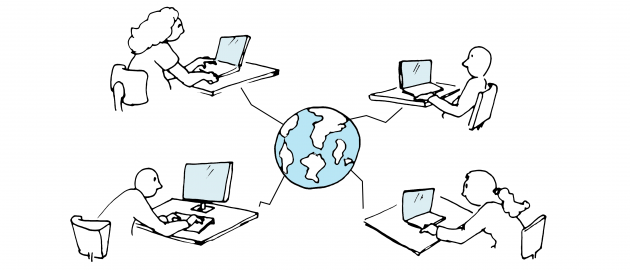
Give your students access 24-7 to your lectures online and save valuable time you can use to interact with and activate the students in class (flipped learning). You can as well use it for distance learning courses. At the same time you make repetition easier.
Use online quizzes and tests as tools to quickly assess your students’ knowledge and give immediate feedback on their answers.
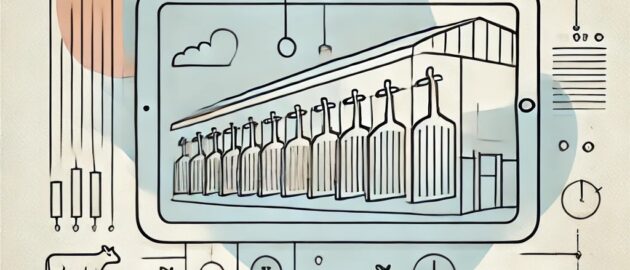
Screencast are video recording of what ever is going on on your computer screen. It is possible to record audio like voiceovers or computer sounds . The output is typically small videos, which are often used for instructional purposes or presentations.
Marian Flanagan, Anna Bothe Jespersen & Kim Ebensgaard Jensen : Examples of developing exercises to integrate the use of generative AI tools into teaching, with a focus on linguistic variation, bias, attitude, and ideology.
Tanya Ravn : Techno-aesthetic analysis, a new analytical and didactical approach to study aesthetic phenomena, aimed at teaching in the humanities and particularly in the aesthetic disciplines. Informed by philosophy of technology
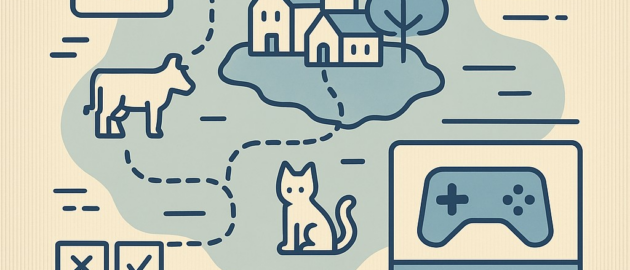
Rasmus Fløe Mølbak & Bodil Helene Allesen-Holm : We have used virtual treasure hunts to give students an active start to their studies and to ensure they become familiar with the campus.
Are you tired of spending too much time lecturing and going over the course curriculum? Try “flipping” your teaching to engage your students!
Do you have large classes with 80, 100 or even 200 students? Here are some tips on activating everyone in class.
Digital literacy is important at UCPH – in every study programme. Dive into UCPH’s digital literacy model and resources in Absalon, Canvas.